
There’s something about adding a plant to a room that instantly makes it feel more alive.
Plants bring balance to a space—they soften modern interiors, add texture and dimension, and create a sense of ease that makes a home feel welcoming rather than styled. Even the most minimal room feels warmer with a touch of greenery.
Here you’ll find a curated selection of my favorite houseplants—options that work beautifully in real homes, complement interiors, and add that finishing layer that makes a space feel complete.
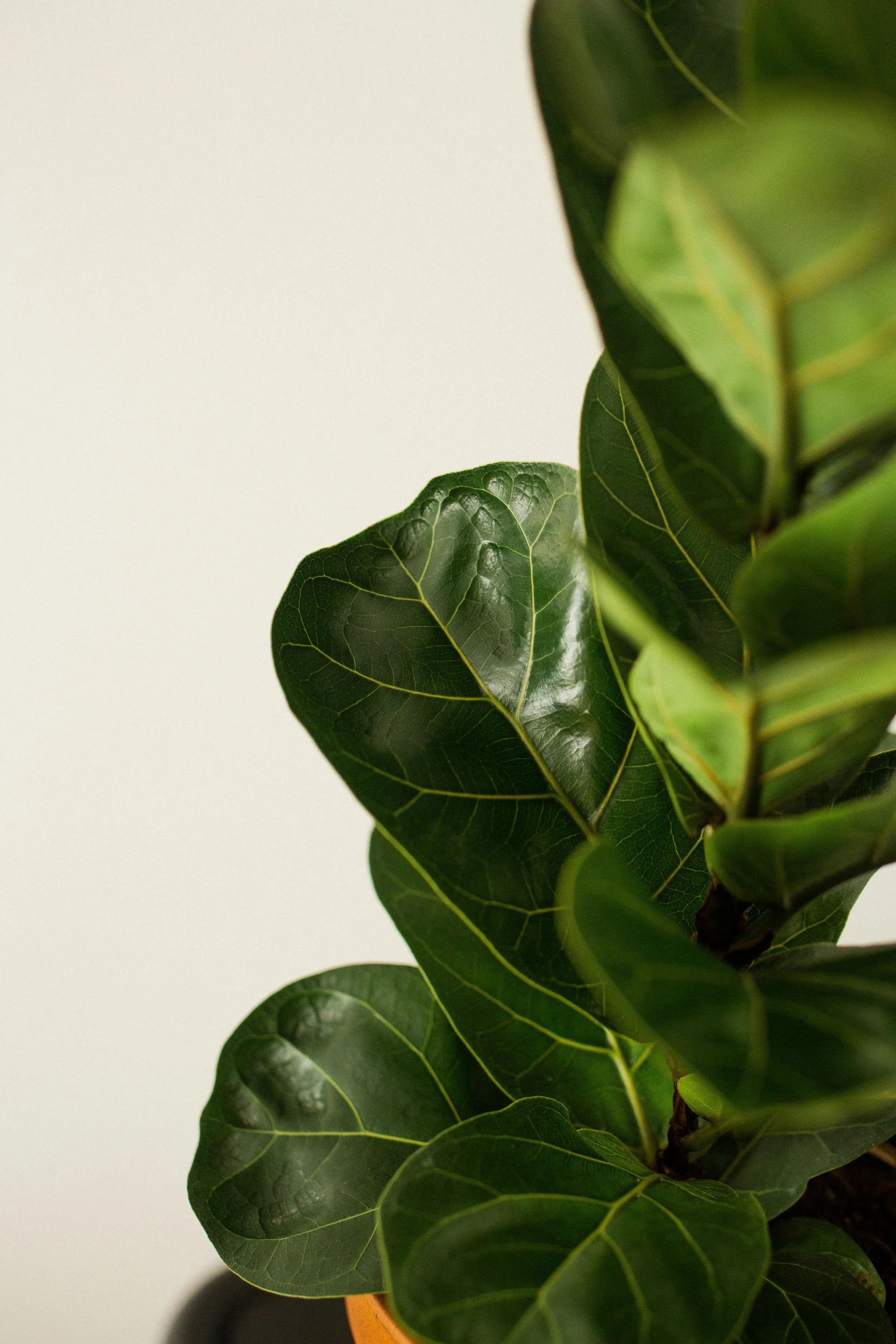
Fiddle Leaf Fig
Classic for a reason—it brings instant structure and presence to a room.
With its large, sculptural leaves and upright form, it adds height and visual weight in a way that feels intentional and architectural. Use it in living rooms, dining spaces, and open-concept areas where a plant needs to hold its own alongside furniture and finishes. When styled thoughtfully, it anchors a space and gives it that polished, designer look.
-
Ideal as a focal plant in open corners or near windows
Works beautifully in tall, minimal planters to emphasize its vertical form
Pairs especially well with neutral palettes, wood tones, and soft textures
-
Thrives in bright, indirect light; some direct morning light is ideal
Water when the top few inches of soil are dry
Prefers a consistent environment—avoid drafts and frequent repositioning
-
Another finnicky plant, but well worth the trouble. The Fiddle can be sensitive to change, but once it settles in, it becomes a striking.
Not pet safe
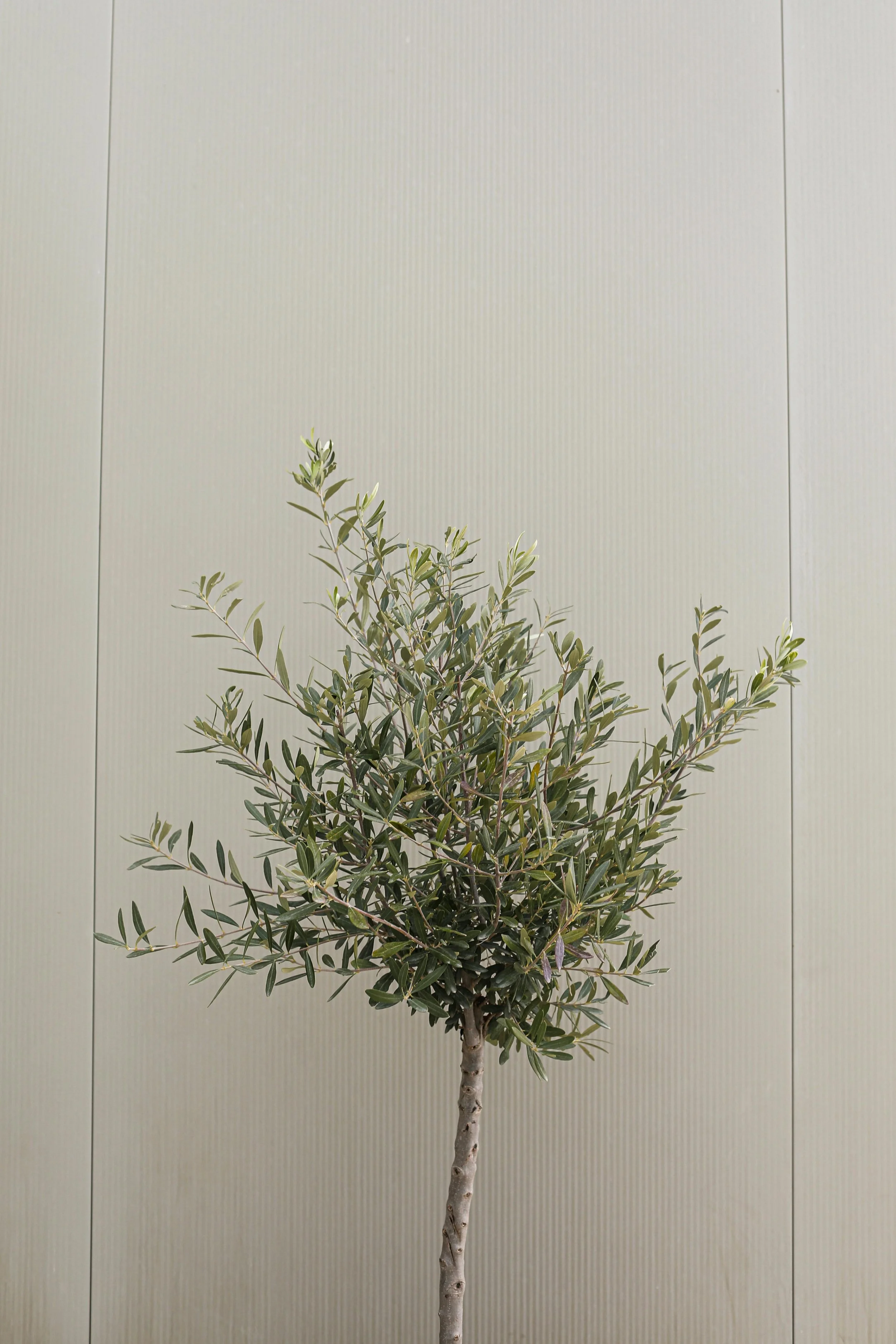
Olive Tree
This tree is a statement piece, adding height, softness, and quiet drama.
With its delicate, layered leaves and airy silhouette, it brings movement and warmth without feeling heavy or overwhelming. I love using it in living rooms, entryways, and primary bedrooms where a space needs grounding but still wants to feel light and refined.
-
Best used as a statement piece in corners or beside larger furniture
Looks especially beautiful in simple ceramic, stone, or woven planters
Adds softness to structured, modern spaces
-
Prefers bright, indirect light
Water when the top few inches of soil are dry
Likes consistency—avoid frequent moves or overwatering
-
Can be considered “tricky.” Best for homes with consistent light and a little patience. May shed its leaves when moved or when it experiences environmental changes.
Dog and cat safe.
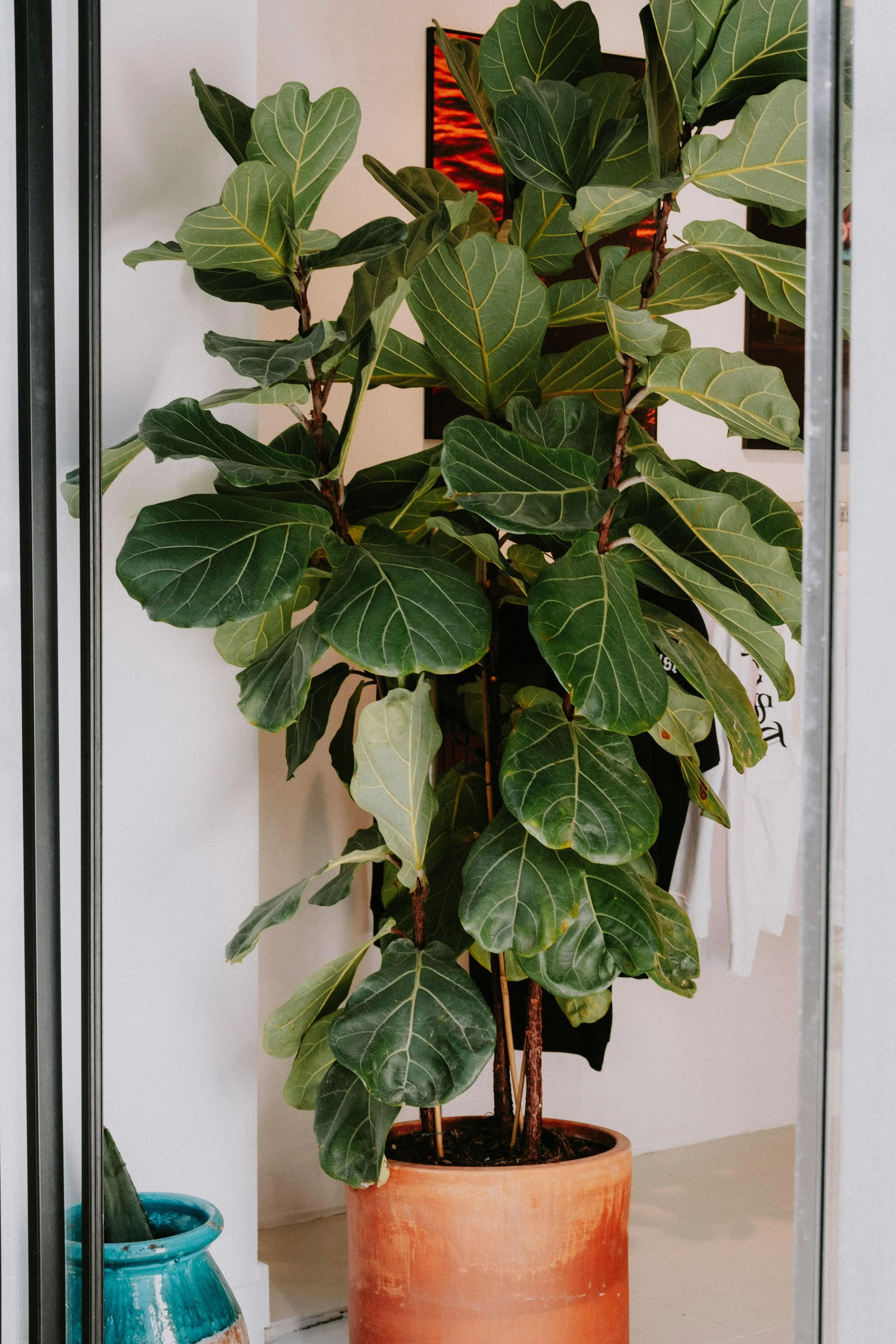

Bird of Paradise
Confident and expressive—perfect for spaces that can handle a bit of drama.
Creating a bold, modern statement with its oversized, architectural leaves and strong vertical growth, the BOP instantly brings energy and presence to a space. I love using it in living rooms, open-concept areas, and sun-filled corners where you want a plant to feel sculptural and intentional.
-
Best used as a statement plant in open, well-lit spaces
Looks striking in large, minimal planters that ground its height
Adds structure and visual interest to modern, streamlined interiors
-
Thrives in bright light and can tolerate some direct sun
Water when the top few inches of soil are dry
Benefits from regular dusting to keep leaves looking fresh
-
Grows best when it has space and consistent light
Not pet safe
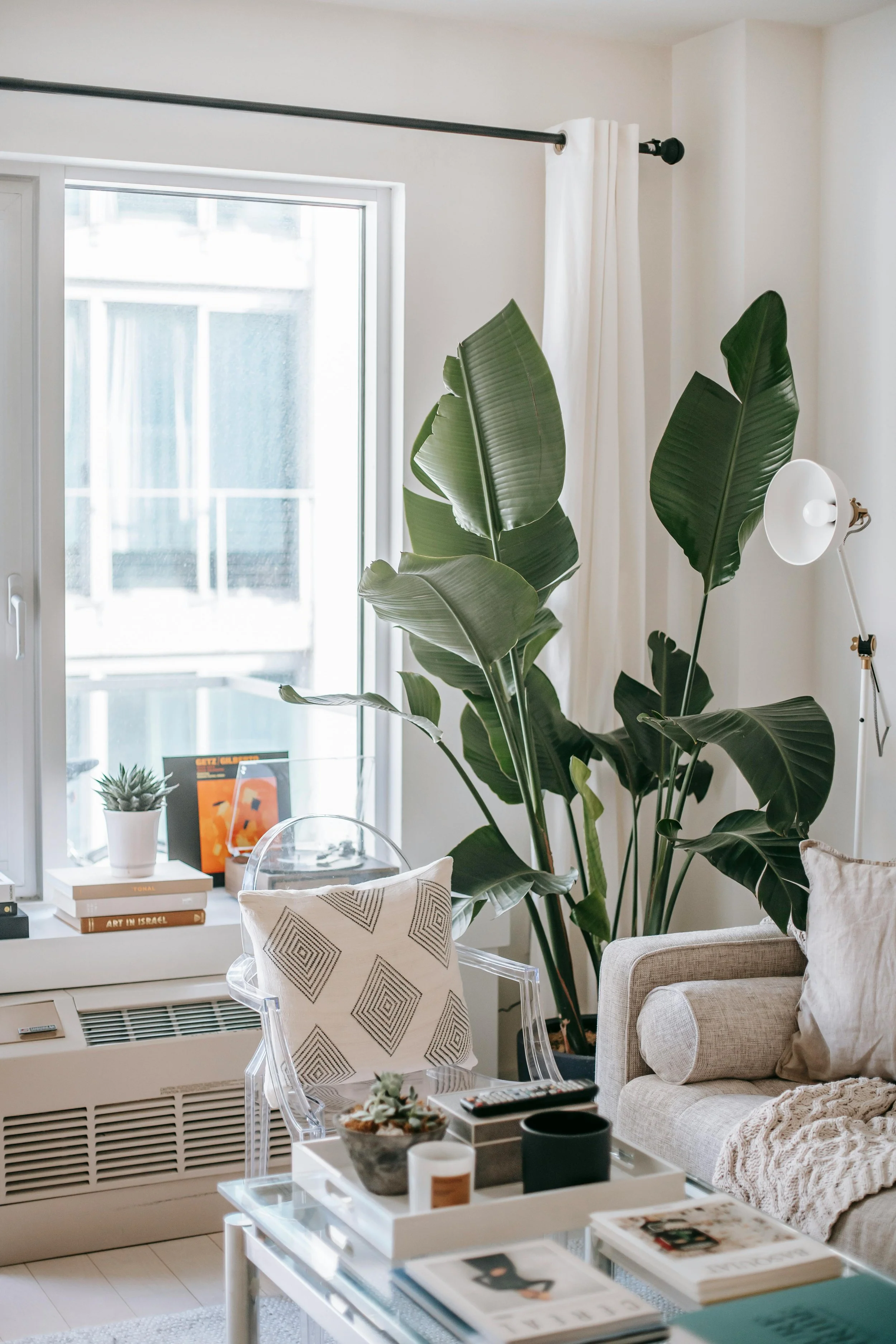
Ficus Audrey
She’s the softer, more refined alternative to the traditional Fiddle Leaf Fig.
With its velvety, matte green leaves and warm-toned trunk, it brings a sense of calm and subtle elegance to a space. I love using the Audrey Ficus in living rooms and bedrooms where you want height and presence without the boldness of larger, glossier foliage.
-
Ideal for adding height without overwhelming the room
Beautiful in neutral ceramic, stone, or lightly textured planters
Pairs well with soft woods, linen upholstery, and warm minimal palettes
-
Prefers refers bright, indirect light
Water when the top few inches of soil are dry
More forgiving than a Fiddle Leaf Fig, but still benefits from consistency
-
A great option if you love the look of a statement tree but want something a bit easier to live with.
Mildly toxic to pets
Marble Queen Pothos
One of the easiest ways to add lightness and texture to a space.
With its soft, variegated leaves in shades of creamy white and green, it brings subtle contrast without feeling busy. I love using Marble Queen Pothos on shelves, bookcases, and in hanging planters where its trailing vines can gently cascade. It works especially well in bright, neutral interiors where you want greenery to feel fresh and understated.
-
Ideal for shelves, bookcases, and hanging planters
Adds movement and visual softness to modern interiors
Pairs well with light woods, ceramics, and warm neutral palettes
-
Prefers bright, indirect light to maintain its variegation
Water when the top inch or two of soil feels dry
Low-maintenance and forgiving, making it great for everyday living
-
The Marble Queen Pothos grows more slowly than darker pothos varieties, but its soft coloring makes it worth the patience.
Not pet safe
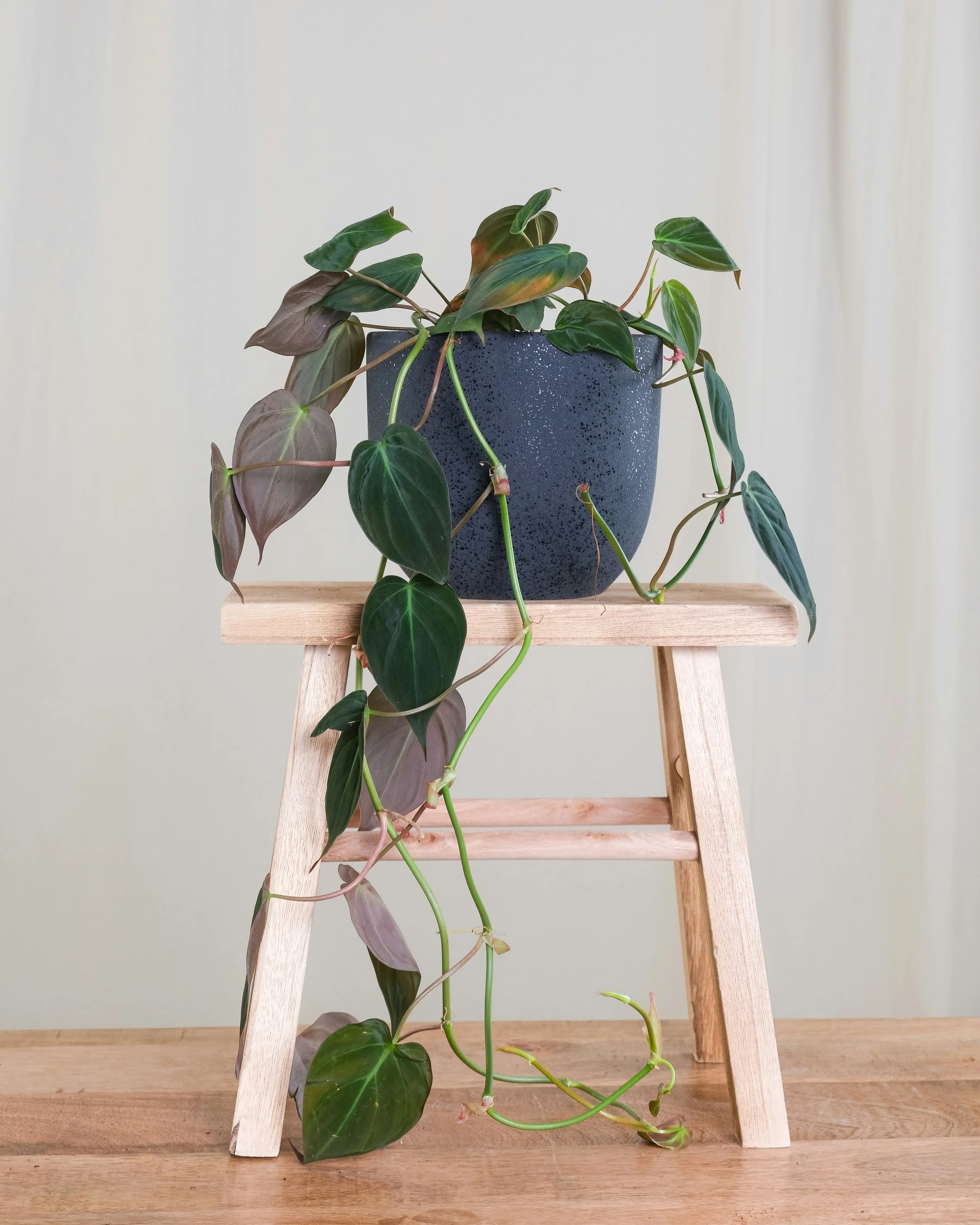
Philodendron Micans
Its trailing vines and velvety, heart-shaped leaves bring softness, texture and warmth.
Use Micans on open shelving, bookcases, or in hanging planters where it can gently cascade and soften harder architectural lines. The deep green leaves with bronze undertones add interest without overpowering a room.
-
Beautiful styled on shelves, bookcases, or in hanging planters
Adds softness to modern, minimal interiors
Pairs especially well with wood tones, ceramics, and warm neutral palettes
-
Prefers bright, indirect light but adapts well to medium light
Water when the top inch or two of soil feels dry
Easygoing and forgiving, making it great for everyday living
-
Perfect if you’re looking for a plant that adds texture and warmth without demanding constant attention
Not pet safe

Burgundy Rubber Plant
With its rich, deep green leaves—often appearing nearly black in certain light—it adds a moody, modern edge.
I love using the Burgundy Rubber Plant as a small statement floor plant or beside furniture where a space needs grounding without visual clutter. It pairs especially well with light, neutral interiors, creating a striking yet balanced contrast.
-
Ideal as a small floor plant or styled beside chairs and consoles
Adds depth and contrast to bright, neutral interiors
Looks especially elevated in simple ceramic or stone planters
-
Prefers bright, indirect light but adapts to medium light
Water when the top few inches of soil are dry
Low-maintenance and forgiving once established
-
Given the time and care, this plant can grow up to 6-10ft
Not pet safe
Stromanthe Triostar
This is a plant that feels expressive yet balanced, adding color and movement in a way that still feels refined.
With its elongated leaves brushed in soft green, creamy white, and subtle blush tones, it brings visual interest without overwhelming a space. Great for floor planters or on open shelving where a room needs a gentle lift and a touch of warmth.
-
Beautiful as a tabletop, floor or shelf plant where its foliage can be appreciated up close
Adds softness and subtle color to neutral, modern spaces
Pairs well with light woods, ceramics, and warm minimal palettes
-
Prefers bright, indirect light
Enjoys consistent moisture—water when the top inch of soil is dry
Appreciates humidity, but can adjust to regular levels
-
Beautiful foliage gently moves with the light throughout the day.
Pet safe
A note about buying plants
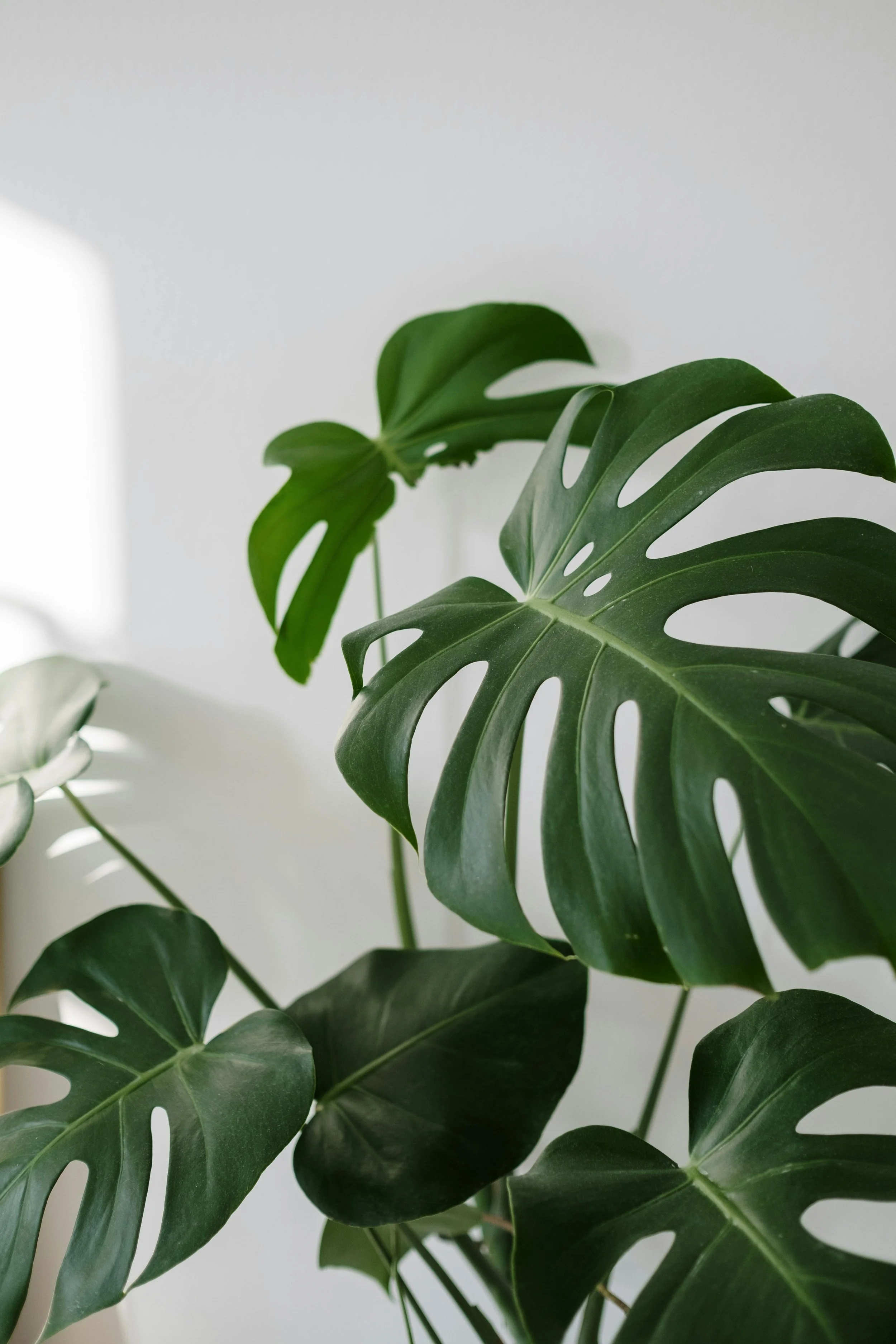
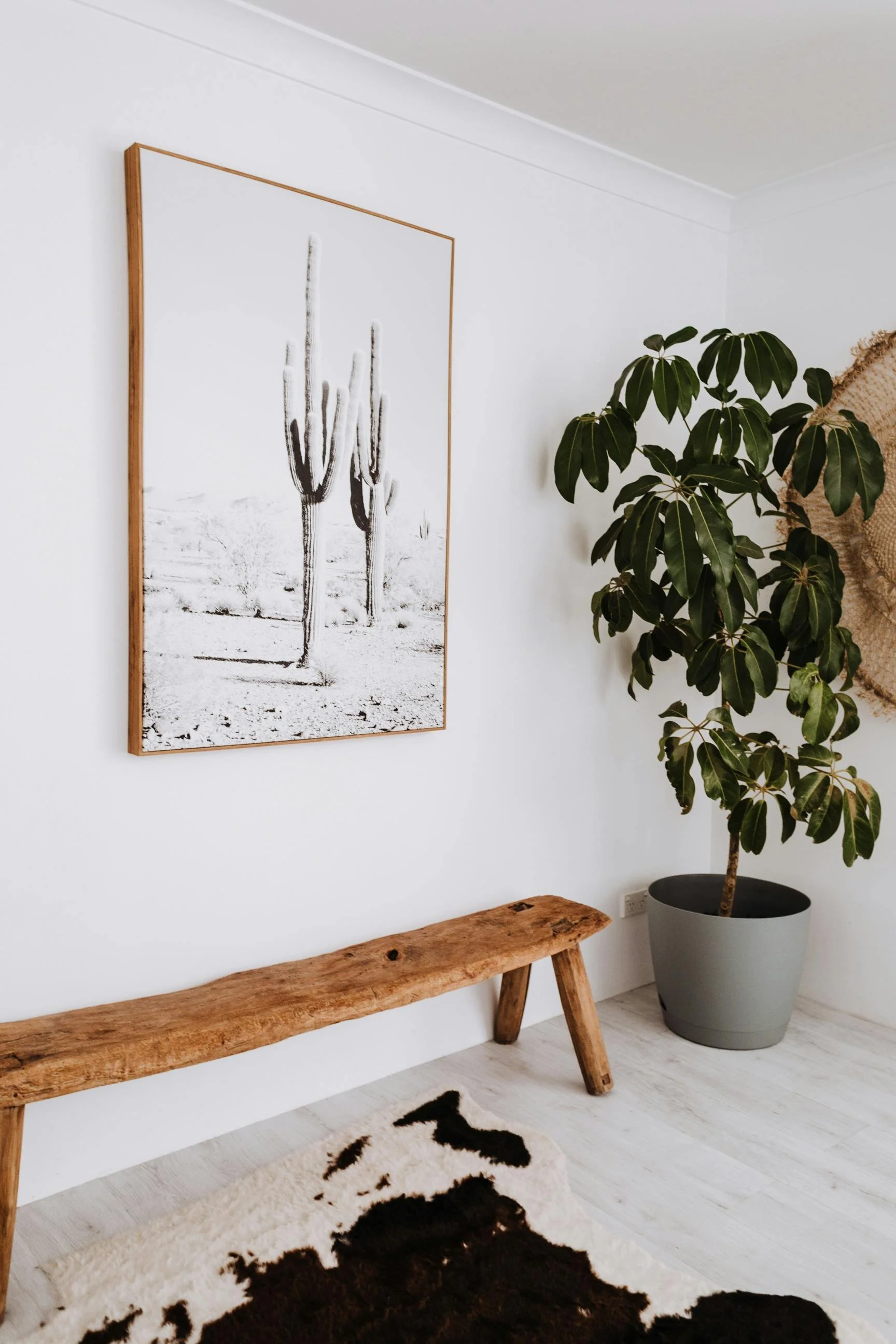

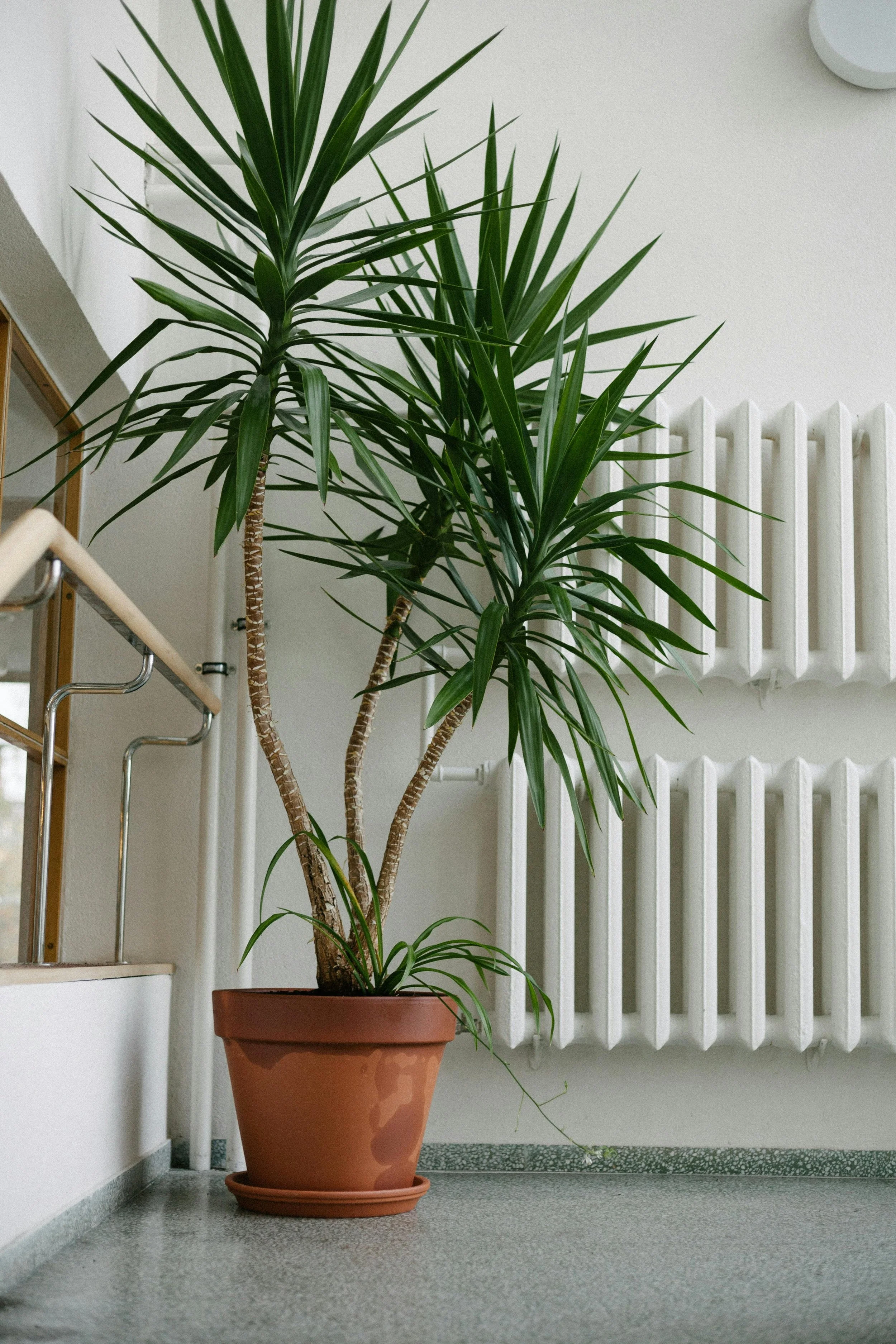
Whenever possible, I always recommend shopping for plants locally. Local nurseries allow you to see plants in person, choose the exact shape and fullness you love, and often offer a wider variety of sizes than what’s available online. Being able to assess the health, structure, and scale of a plant in real life makes it easier to select something that truly works for your space.
That said, purchasing plants online can still be a great option—especially for accessibility or convenience. It’s simply helpful to know that plants purchased online are often smaller than you may currently want to live in the space. With a bit of patience and the right care, they will grow into their space over time. In many cases, that gradual growth becomes part of the enjoyment and makes the finished result even more rewarding.